From December, "Rīgas siltums" plans to increase tariffs by 19%
From December 1, AS "Rīgas siltums" plans to increase the heat energy tariff by 19%, the company's strategic communications department head Ivo Valdovskis informed the LETA agency.
"Rīgas siltums" has submitted a project for changes in the heat energy tariff to the Public Utilities Commission (SPRK). It is planned that from December 1, the heat energy tariff will be 96.33 euros per megawatt-hour (euro/MWh) without value-added tax, thus the tariff will be 16% higher than in the previous heating season and 19% higher than the current tariff, which is 80.96 euros per MWh.
The chairman of the board of "Rīgas siltums", Kalvis Kalniņš, points out that the increase in energy resource costs is significant, and it is impossible to completely eliminate its impact on the heat energy tariff. Compared to the previous year, the price of natural gas has already increased by 200%, biomass has become approximately 50% more expensive, and electricity prices have also risen. These resources account for approximately 70% of the heat energy tariff costs.
Previously, the company predicted that from December, the heat energy tariff in Riga could increase by 20% to 30%, but it managed to limit the tariff increase to 16% compared to the previous heating season, explains Kalniņš.
He emphasizes that tariff changes directly affect energy resource prices, especially the dynamics of natural gas prices, which remain upward and unstable. In the last half-year, with increasing geopolitical tensions in the Middle East region, natural gas prices have significantly increased, creating additional pressure on heat energy production costs, Kalniņš notes.
The company claims that, similar to the previous heating season, this year "Rīgas siltums" implemented a series of measures to limit the impact of energy resource price fluctuations on the tariff as much as possible. According to the fuel procurement strategy, the company purchased natural gas gradually and in a timely manner, thus diversifying risks and reducing the potential impact of events in the Middle East region on Riga's heating costs.
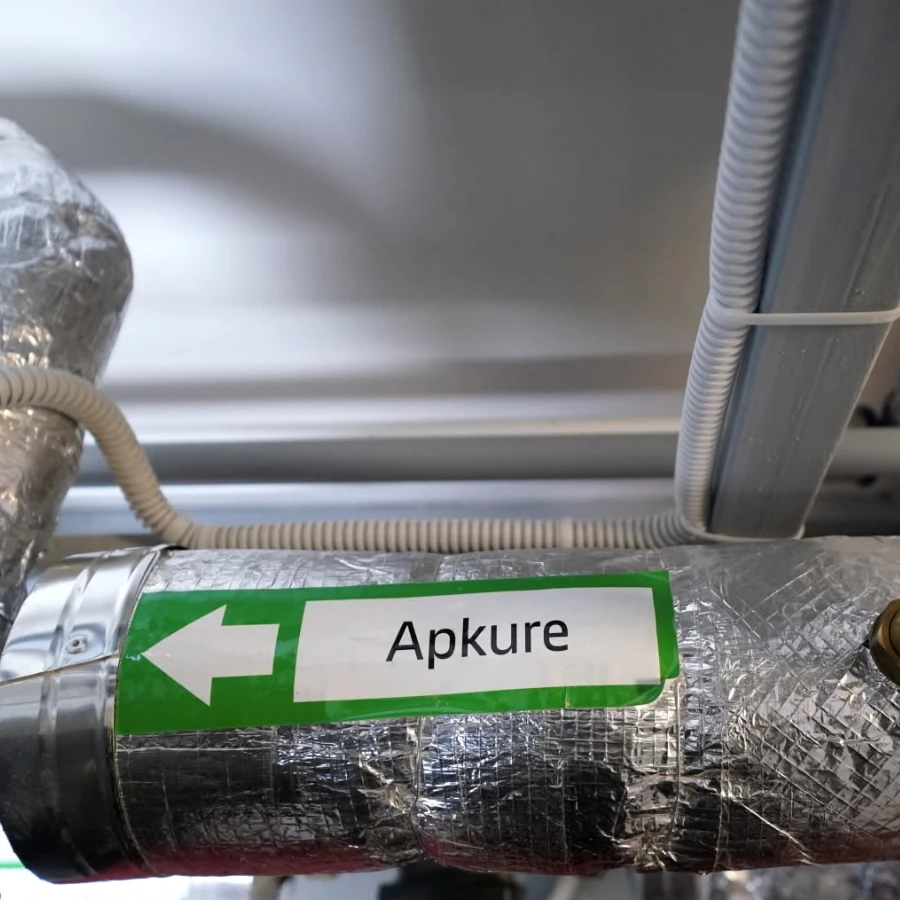
Photo: Rīgas siltums